Pressure Washing vs Soft Washing: Which Does Richmond Need?
Maintaining a clean, structurally sound exterior is one of the most critical responsibilities for property owners in Richmond, Virginia. Between the dense tree canopies lining neighborhoods from The Fan to Bon Air and the persistent humidity rising from the James River basin, local buildings face a relentless assault from organic contaminants. Over the course of a year, exterior surfaces accumulate layers of green algae, pollen, black mildew, lichen, and general urban grime. When it comes to restoring these surfaces, homeowners and property managers routinely confront an essential question: should they choose high-pressure washing or gentle soft washing?
The short answer is that Richmond properties rarely need just one method. Instead, a well-maintained property requires the strategic application of both techniques based on the specific surface materials, the type of contamination, and the local environmental conditions. Understanding the technical distinctions between pressure washing and soft washing is the key to preserving your property's value while avoiding catastrophic material damage.
Understanding the Fundamentals: Pressure Washing vs. Soft Washing
Although the terms are sometimes used interchangeably in casual conversation, pressure washing and soft washing operate on fundamentally different scientific principles. The core distinction lies in how the cleaning force is generated: mechanical kinetic force versus targeted biochemical breakdown.
What Is Pressure Washing?
Traditional pressure washing relies on high-velocity water delivered at significant mechanical pressure, typically ranging between 1,500 and 4,000 pounds per square inch (PSI). The equipment pushes water through specialized narrow-angle tips to physically blast away dirt, embedded grime, flaking paint, and mineral deposits from unyielding substrates.
When high pressure is paired with heated water, the process is technically referred to as power washing. The introduction of heat—often reaching temperatures between 140 and 200 degrees Fahrenheit—breaks down heavy oils, grease, chewing gum, and petroleum-based stains far more effectively than cold water alone. Power washing is predominantly reserved for commercial flatwork, industrial facilities, and heavily soiled parking pads.
What Is Soft Washing?
Soft washing is a specialized exterior cleaning technique that replaces brute kinetic force with chemical science. Soft wash systems operate at low pressure, usually under 500 PSI—often delivering water at a pressure comparable to a standard garden hose. Rather than stripping contaminants through impact, soft washing utilizes dedicated low-pressure delivery pumps to apply a customized solution of water, biodegradable surfactants, and specialized algaecides.

In modern exterior cleaning practices, these solutions sit on the surface for a predetermined dwell time. During this period, the active sanitizing agents penetrate microscopic pores to eradicate algae, moss, fungi, and bacterial colonies down to their roots. Once the organic material is fully neutralized, the surface is thoroughly rinsed with fresh, low-pressure water, leaving the material completely sanitized and undamaged.
The Richmond Factor: Climate, Architecture, and Environmental Strains
Exterior maintenance in Richmond is governed by unique geographical and structural realities. As a transitional zone between the Piedmont and the coastal plain, the Richmond metropolitan area experiences hot, humid summers, significant spring pollen blooms, and freezing winter snaps. This cycle creates optimal breeding grounds for microbiological growth.
The most pervasive threat to local roofs and siding is Gloeocapsa magma, an airborne, photosynthesizing cyanobacterium that manifests as unsightly black streaks across residential neighborhoods. Fueled by humidity and sustained by the limestone filler found in asphalt shingles, this organism does not merely stain homes—it gradually breaks down building materials.
Furthermore, Richmond boasts an architectural landscape that spans multiple centuries. Historic brick townhomes in Jackson Ward, mid-century ranches in Henrico, modern fiber-cement developments in Short Pump, and stone estates in Windsor Farms each feature distinct structural considerations. Historic Richmond brick, for example, was fired at lower temperatures than modern masonry, making its exterior protective crust extremely delicate. Using high pressure on historic brick or ancient lime mortar can cause irreversible spalling and structural disintegration.

When to Choose Pressure Washing in Richmond
High-pressure washing remains an indispensable tool in Richmond property maintenance, provided it is restricted to durable, non-porous, or hard-wearing porous surfaces that can tolerate mechanical force. It is the premier choice for exterior ground surfaces subject to heavy foot traffic, vehicle fluids, and ground-in atmospheric dirt.
Concrete Driveway Cleaning and Flatwork
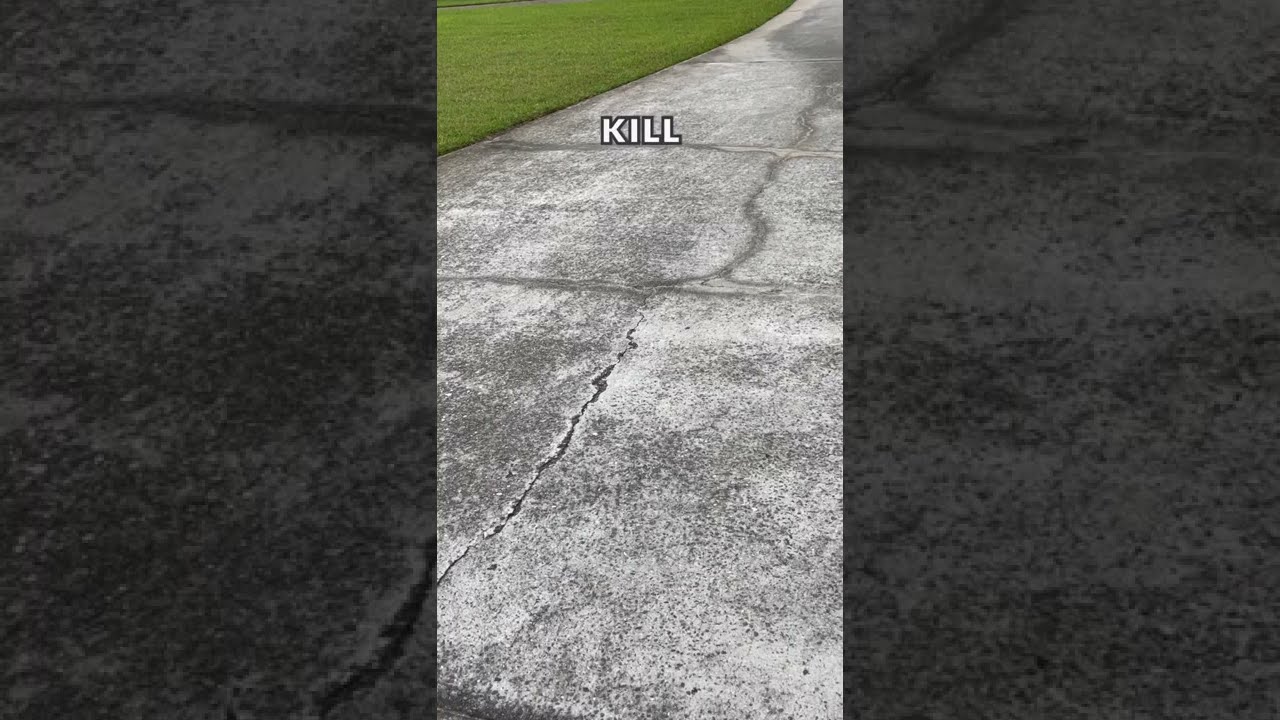
Residential driveways, concrete walkways, and commercial plazas are prime candidates for traditional high-pressure methods. Standard poured concrete can easily withstand pressures up to 3,000 to 3,500 PSI when executed by an experienced technician utilizing a rotating surface cleaner. High-volume driveway cleaning lifts deep-set soil, clears tire marks, and removes ground-in clay staining endemic to Virginia soil. For driveways with heavy transmission fluid or oil pooling, https://charliedggp188.iamarrows.com/how-long-does-professional-house-washing-actually-last hot-water power washing combined with an alkaline degreaser is necessary to emulsify the hydrocarbons before surface rinsing.
Modern Masonry and Unsealed Stone
Poured concrete retaining walls, modern hardscape pavers, and dense natural stones like granite can benefit from moderate pressure washing. When pavers become choked with weed growth or settled mud, pressure washing flushes the joints effectively, preparing the hardscape for polymeric sand re-installation and protective sealing.
When Soft Washing Is Essential: Protecting Delicate Surfaces
While pressure washing cleans by erosion and friction, soft washing cleans through biological eradication. Any surface that can be dented, discolored, etched, water-infiltrated, or stripped of protective coatings must be treated exclusively with soft washing methods.
Comprehensive House Washing
Attempting to clean residential siding with high pressure is one of the most frequent causes of property damage in Central Virginia. Vinyl siding can crack under pressure, or water can be driven behind the weep holes, saturating the wood sheathing and insulation to spark hidden interior mold growth. Fiber cement (such as HardiePlank) can suffer paint delamination, while exterior insulation finishing systems (EIFS) and stucco can be permanently gouged.
Professional house washing in Richmond relies almost exclusively on soft washing. The application of a tailored foaming surfactant lifts atmospheric soil and kills green mold colonies without forcing moisture past building envelope barriers. The gentle application keeps paint intact while offering longer-lasting protection because the mold spores are chemically neutralized rather than merely dispersed across the yard.
Professional Roof Cleaning
Nowhere is soft washing more non-negotiable than in roof cleaning. The Asphalt Roofing Manufacturers Association (ARMA) explicitly mandates low-pressure chemical cleaning for asphalt shingle roofs, warning that high-pressure washing instantly voids most manufacturer warranties. Blasting shingles with pressure strips away the protective ceramic granules that shield the asphalt base from UV radiation, prematurely aging the roof by years.
Similarly, Richmond’s historic slate and cedar shake roofs require extreme delicacy. Walking on slate can fracture irreplaceable tiles, and high pressure will shred wood grain. Soft washing allows technicians to apply algaecides from ladders or ground level, letting the solution safely dissolve Gloeocapsa magma and lichen blooms without disturbing the delicate roofing matrix.
Wood Decks and Composite Surfaces
Richmond’s outdoor living spaces—from pressure-treated pine decks to modern composite decking—are highly vulnerable to pressure damage. High-velocity water will raise the grain of natural wood, causing splinters, furring, and deep gouges that require extensive sanding to correct. Composite materials, while durable against rot, possess soft outer caps that can be permanently scarred by high-pressure spray patterns. Soft washing cleans these surfaces down to the pores without disrupting the material integrity.
Key Differences at a Glance: Pressure vs. Soft Washing
To help determine which method matches your current maintenance requirements, consider how the two approaches compare across functional metrics:
- System Operating Pressure: Pressure washing operates between 1,500 and 4,000+ PSI; soft washing operates at a gentle 100 to 500 PSI.
- Primary Cleaning Mechanism: Pressure washing relies on physical impact and water volume; soft washing relies on sanitizing algaecides and surfactants.
- Ideal Target Surfaces: Pressure washing excels on poured concrete, pavers, and asphalt; soft washing protects vinyl, painted wood, fiber cement, stucco, and roofing shingles.
- Mold and Algae Eradication: Pressure washing shears the surface growth, leaving spores behind; soft washing kills the organism at its root, preventing rapid regrowth.
- Risk of Substrate Damage: Pressure washing carries high risk for etching, splintering, and water intrusion; soft washing carries virtually zero mechanical risk when applied properly.
Best Practices for Property Maintenance in Richmond in 2026
Property care standards have evolved substantially. In 2026, exterior surface maintenance is no longer just about curb appeal; it is about extending structural lifespan and adhering to environmental stewardship within the James River watershed. Runoff management has become a central focus across Henrico, Chesterfield, and Richmond City jurisdictions, prompting exterior cleaning professionals to adopt sophisticated reclamation practices and fully biodegradable cleaning chemistries.
To protect both your property and local waterways, consider implementing a structured seasonal cleaning plan tailored to the region's climate cycles.
- Early Spring Assessment (March–April): Clear winter debris from gutters and evaluate exterior walls for mold growth accelerated by late winter rains. Schedule gentle soft wash treatments before peak pollen season to create an algaecide barrier on siding and roofing.
- Late Spring Post-Pollen Wash (May–June): Once oak and pine pollen releases subside, perform high-volume rinse downs or light house washing to prevent yellow pollen resins from baking onto warm vinyl and painted trim.
- Mid-Summer Flatwork Restoration (July–August): Take advantage of dry, warm summer weather for deep concrete cleaning, oil stain removal, and hardscape re-sanding or sealing on patios and driveways.
- Autumn Preparation (October–November): Clear leaves and organic matter from roofs, valleys, and gutter networks before moisture freezes, and soft wash north-facing walls where lower sun angles promote aggressive mildew expansion.
Conclusion: Choosing the Right Approach for Your Richmond Property
When assessing whether your Richmond home or commercial property needs pressure washing or soft washing, the reality is that a complete exterior maintenance program integrates both. Using high pressure on a stained driveway produces a clean, bright entrance that soft washing alone cannot match. Conversely, directing that same high-pressure stream toward your siding or roof will lead to cracked materials, voided warranties, and accelerated structural decay.
By pairing soft wash sanitation for your roof, siding, and wood elements with targeted high-pressure washing for your durable flatwork, you address the aesthetic and biological challenges of Richmond's climate. Selecting the proper technique ensures your home remains resilient, pristine, and structurally sound for years to come.
Richmond Pressure Cleaning
Unit 2/420 Church St, Richmond VIC 3121
ph. (03) 4231 7213